


Paragon Polytechnic (VIC)
#Australia #Car repair #Car Management #Vehicle mechanical and electrical
☰ College Introduction
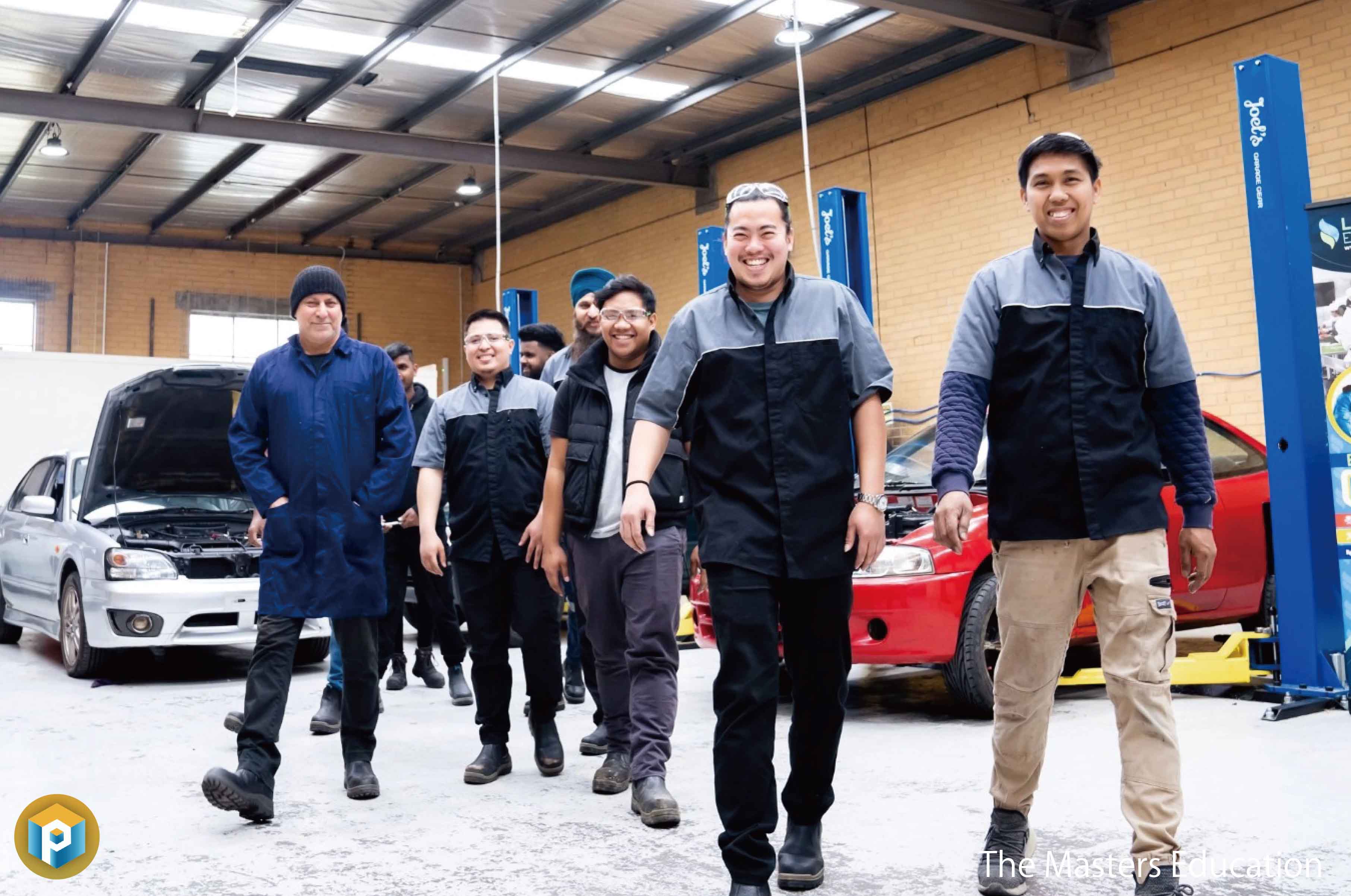
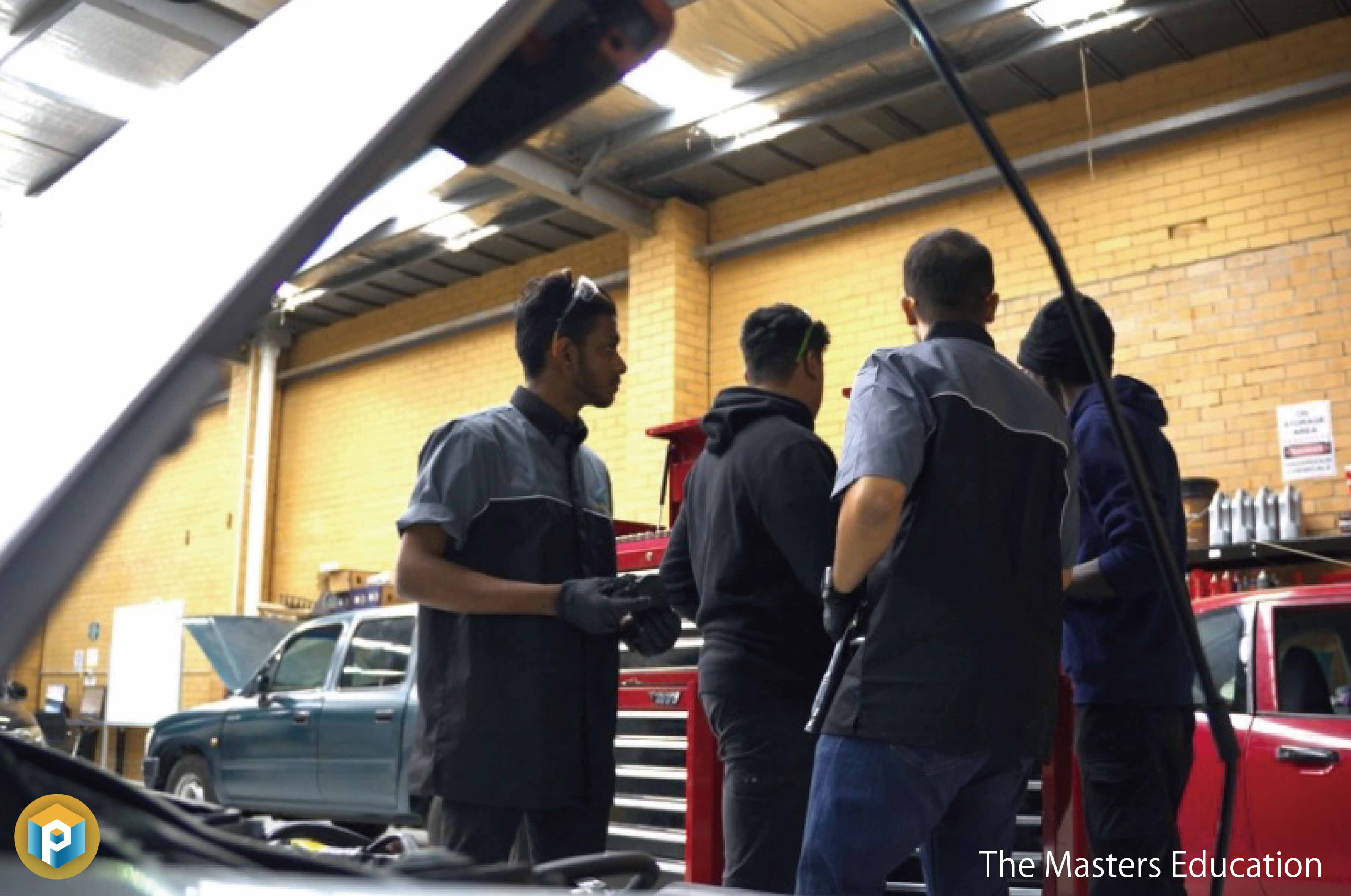
Located in the vibrant heart of Melbourne's CBD, the polytechnic boasts excellent transport links and comprehensive facilities. The college's professional trainers bring years of industry experience and academic knowledge to the classroom, combined with cutting-edge modern facilities, to provide students with an excellent learning environment that helps them achieve outstanding academic results.
Polytechnic courses are designed in collaboration with industry experts to ensure students receive training that meets current industry standards and needs. Through hands-on, practical learning experiences and state-of-the-art facilities, students graduate with the skills and knowledge needed to succeed in their chosen fields, giving them the confidence and ability to excel in their careers from day one. Location: Melbourne.
☰ Geographical location
Melbourne, a city located at the southern tip of Australia's east coast, is the capital of the state of Victoria and boasts the second-largest metropolitan area in Australia (after Sydney). Situated on the coastal plains northeast of Port Phillip Bay, Melbourne is Australia's most important port city and manufacturing center. It is also a multicultural hub in Australia, with a large overseas immigrant population, and leads Australian and even global trends in fashion, art, music, television production, film, and dance.
Melbourne beautifully blends rich cultural history with contemporary trends. As night falls, Melbourne bursts into vibrant energy, with its thriving food scene and numerous events and exhibitions. Explore Melbourne's lively alleyways, trendy neighborhoods, and sophisticated culinary culture to experience its unique atmosphere.

Course Introduction
| Diploma/Certificate | (1) Light Vehicle Mechanical Level 3 Certificate | (2) Automotive Electrical Technology Level 3 Certificate | (3) Automotive Mechanical Diagnostic Level 4 Certificate | (4) Automotive Electrical Technology Level 4 Certificate | (5) Automotive Management Diploma |
| Course duration (including holidays) | 68 weeks | 26 weeks (after completing the prerequisite Level 3 certificate course and receiving credit exemption) | 52weeks | ||
| Tuition fees include registration and textbook fees (Australian dollars) | 15,750 | 8,600 | 10,600 | ||
| Application Requirements | Completed Grade 11 and 18 years of age | Complete high school and be 18 years of age or older | |||
| English requirements | ● IELTS overall score of 6.0 or equivalent. ● IELTS overall score of 5.5 or equivalent, and completion of a 10-week ELICOS course. ● IELTS overall score of 5.0 or equivalent, and completion of a 20-week ELICOS course. |
||||
| Hourly wage/annual salary for part-time work | 25-28 AUD / approximately 33,000 AUD | ||||
| Full-time annual salary | Approximately 70,000 to 80,000 Australian dollars. | ||||
| Work visa duration | After completing one year of study, you can apply for a three-year work visa sponsored by your employer. | You can get a 1.5-year post-graduation work visa after obtaining a certificate or diploma. | |||
| Employment options | Light vehicle mechanic | Automotive technical consultant, senior technician | Automotive technical consultant | Automotive systems designer, senior diagnostic technician | |
Working hours:
1. No more than 48 hours per two weeks on teaching days.<
2.There is no limit to the number of hours spent on non-teaching days holidays and school breaks (usually 2 weeks of break every 10 weeks).
Note: Tuition fees for the current year are subject to the school's announcement.
☰ Course Overview
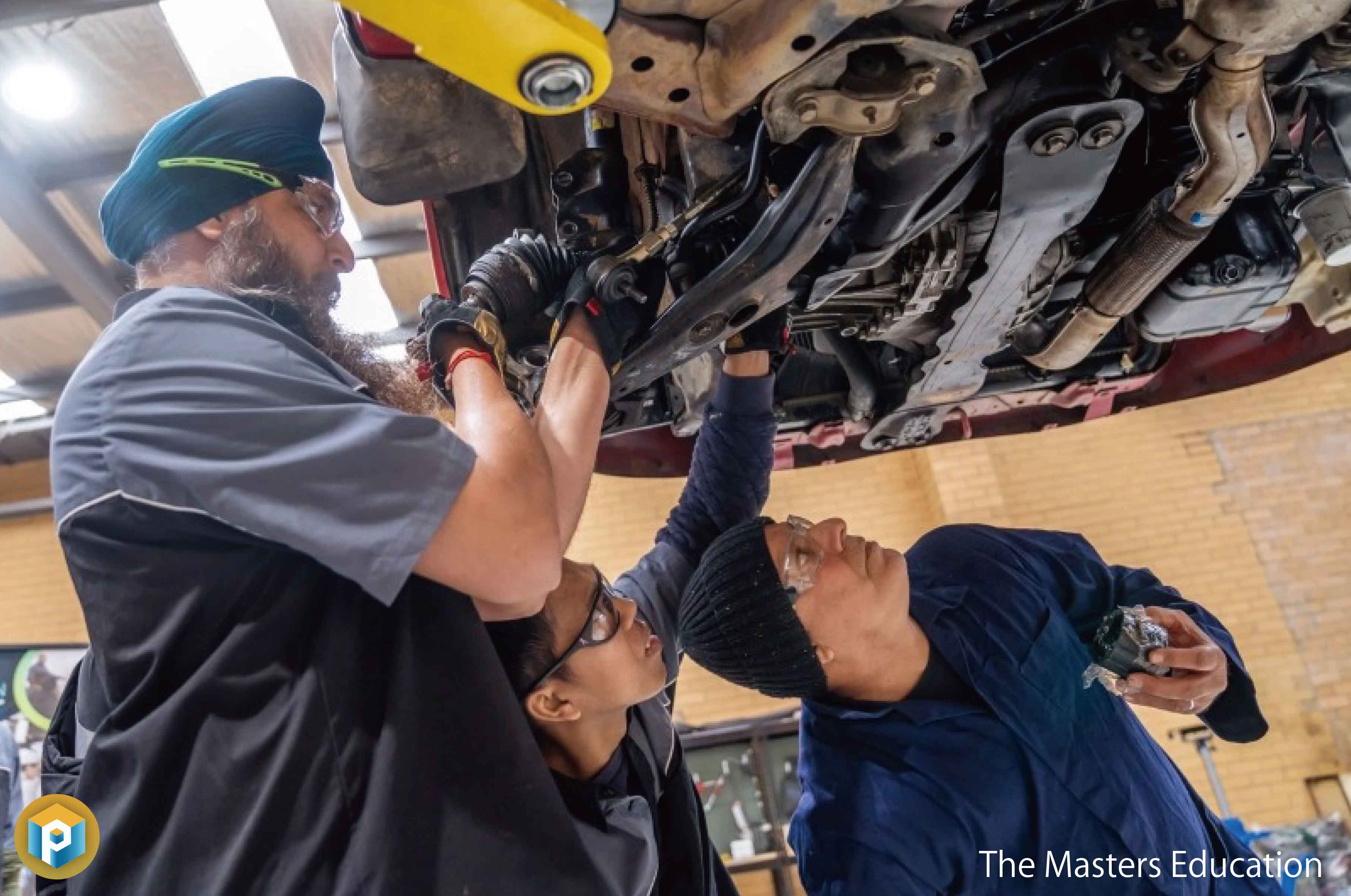
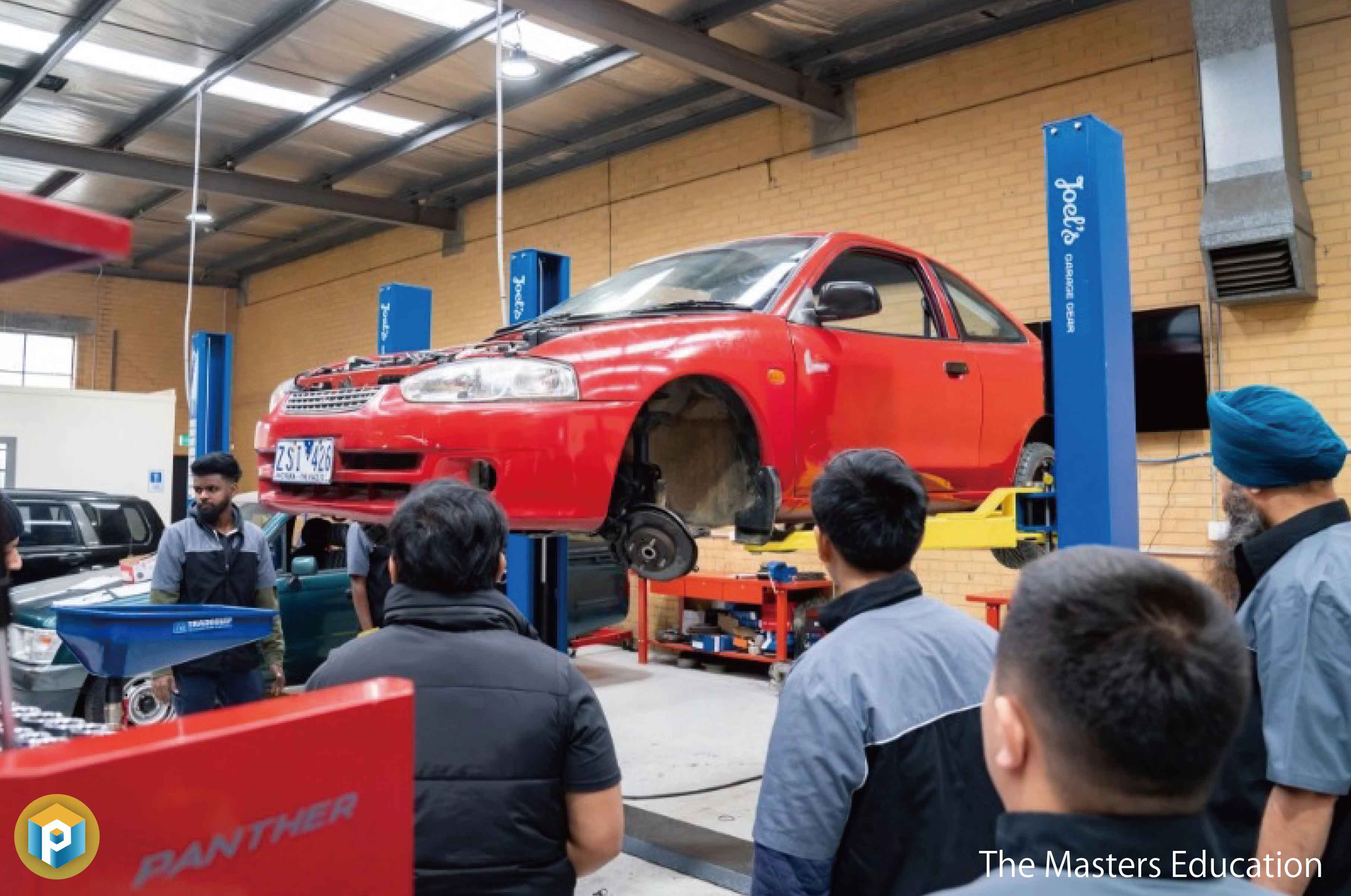
This certificate course equips students with the skills to perform a wide range of tasks on various light vehicles in the automotive retail, service, and repair industries.
☰ Course Time
Teaching method: Classroom teaching
Course duration: 68 weeks (including holidays)
☰ Fee Information
Tuition fee: AUD 15,750
☰ Admission requirements that students must meet
1. Age requirement
Students must be 18 years of age or older at the start of the course.
2. Academic requirements
Applicants must meet one of the following conditions:
● Successfully complete Australian Year 10 (or the international equivalent of Australian Year 10 high school curriculum) and obtain a passing grade.
● Successfully completed the Australian foundation course.
● Obtain the International Baccalaureate (IB) certificate.
● Successfully completed Australian AQF Level 3 qualification or higher.
3. English requirements
Applicants must provide one of the following English test scores (which must have been completed within 2 years prior to the application date):
● IELTS (Academic or General Training) overall score of 6.0 or equivalent.
● IELTS overall score of 5.5 or equivalent, and completion of a 10-week ELICOS course.
● IELTS overall score of 5.0 or equivalent, and completion of a 20-week ELICOS course.
● Pass the school's English proficiency test.
English requirements may be waived in the following cases:
● At least 5 years of English education in Australia, Canada, New Zealand, the United Kingdom, the United States, South Africa, or Ireland.
● Holders of British, American, Canadian, New Zealand or Irish passports.
● An AQF Level 4 or higher qualification obtained in Australia within the past two years, representing at least 70% of the coursework completed.
● Successfully completed high school graduation certificate in Australia within the past 2 years.
● Complete the CRICOS ELICOS course and reach an intermediate to advanced level of English.
4. Pre-enrollment training assessment
All trainees will undergo a pre-training review to determine their suitability for the course and their needs. The review aims to identify their training needs by inquiring about their prior education or training, the relevance of the course to the applicant, and relevant experience. The pre-training review will also aim to identify any support needs and potential RPL opportunities.
Through pre-training review, trainees will demonstrate that they possess the skills required to successfully complete the course.
Polytechnic will identify any such obstacles faced by trainees during the pre-training review and provide the necessary support and reasonable adjustments where possible.
5. Language, Literacy and Numeracy (LLN) Assessment
Students may need to complete an LLN assessment before the course begins—a diagnostic process used to determine whether potential students will need assistance with language, literacy, and numeracy during their studies.
6. Hardware/Software Requirements
Polytechnic will provide computers/laptops for students to use during class time. However, students must bring their own laptops or computers to complete quizzes, assignments, and self-study. The operating system must be Windows and Office applications (such as Microsoft Word) must be available.
Note: Some tests require the use of a computer and the internet; students must have basic computer skills.
7. Physical requirements
Applicants need to have the physical fitness to work in the automotive industry, including the ability to manually operate equipment (including lifting and carrying heavy objects) within safe working conditions.
☰ Course Name
1. Required courses
Follow best practices for environmental sustainability in the automotive workplace; comply with safe working practices in the automotive workplace; test and repair basic circuits; diagnose and repair spark ignition engine management systems; test, charge, and replace batteries and start vehicles; diagnose and repair charging systems; diagnose and repair starting systems; diagnose and repair ignition systems; diagnose and repair hydraulic braking systems for light vehicles; diagnose and repair steering systems for light vehicles; diagnose and repair suspension systems for light vehicles; diagnose and repair engines for light vehicles; diagnose and repair emission control systems for light vehicles; perform maintenance operations; develop and implement diagnostic testing strategies; inspect and repair braking systems; diagnose and repair cooling systems; inspect and repair engines; inspect and repair gasoline fuel systems; use and maintain tools and equipment in the automotive workplace.
2. Elective courses
Responding to customer needs and inquiries in the automotive workplace; effective communication in the automotive workplace; inspecting and repairing automatic transmissions; repairing wiring harnesses; diagnosing and repairing electronic body management systems; balancing wheels and tires; selecting light vehicle tires and wheels for specific applications; diagnosing and repairing light vehicle final drive assemblies; diagnosing and repairing light vehicle manual transmissions; diagnosing and repairing light vehicle driveshafts; diagnosing and repairing light vehicle clutch systems; assembling and installing brake system parts; inspecting and repairing steering systems; inspecting and repairing suspension systems; using and maintaining measuring equipment in the automotive workplace; inspecting and repairing manual transmissions.
☰ Career Development
Light vehicle mechanic
● During their studies, students can seek part-time work opportunities on their own. The hourly wage is approximately AUD 25-28. The maximum working hours are 48 hours per fortnight on weekdays, and there is no limit to the number of hours on weekends and school holidays (usually two weeks of holidays every 10 weeks). The annual salary for part-time work can reach AUD 33,000.
● After completing one year of study, you can obtain a three-year work visa with employer sponsorship, and the annual salary for a full-time job is approximately 70,000 to 80,000 Australian dollars.
☰ Course Overview
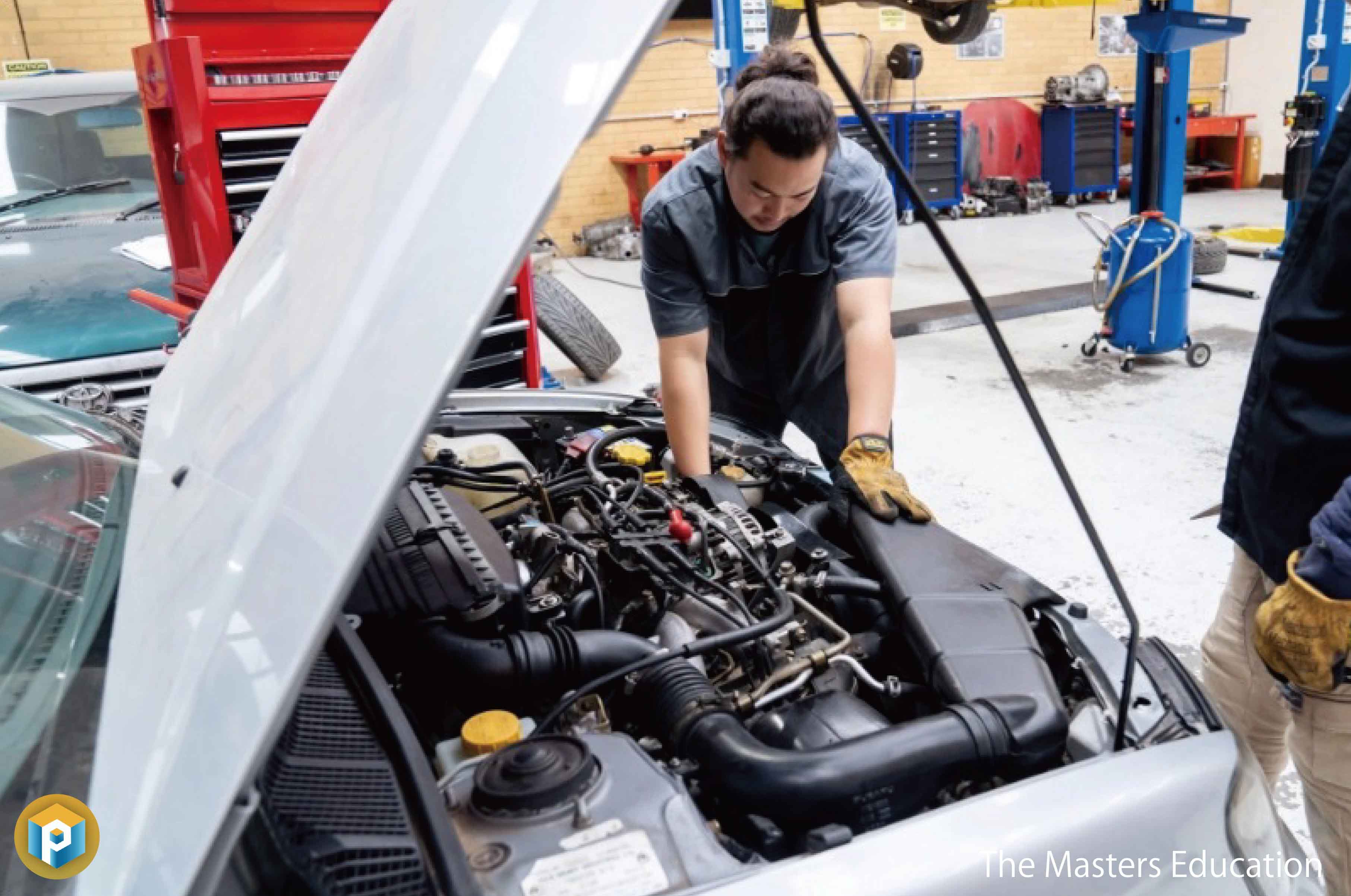
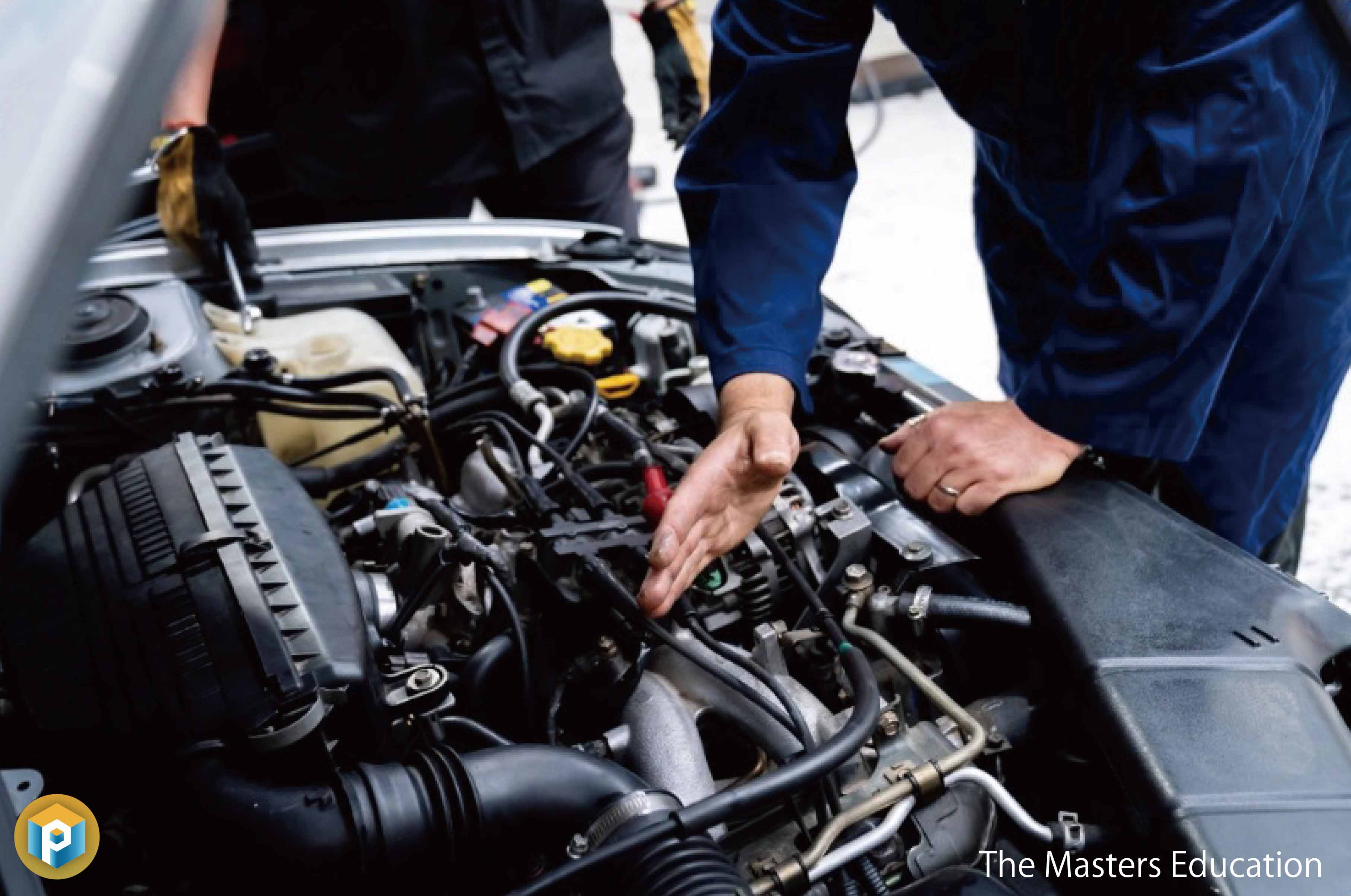
This certificate course equips students with the skills and knowledge of the role individuals responsible for servicing, diagnosing, and repairing vehicle electrical systems and components within the automotive electrical service and repair industry.
☰ Course Time
Teaching method: Classroom teaching
Course duration: 68 weeks (including holidays)
☰ Fee Information
Tuition fee: AUD 15,750
☰ Admission requirements that students must meet
1. Age requirement
Students must be 18 years of age or older at the start of the course.
2. Academic requirements
Applicants must meet one of the following conditions:
● Successfully complete Australian Year 10 (or the international equivalent of Australian Year 10 high school course) and obtain a passing grade.
● Successfully completed the Australian foundation course.
● Obtain the International Baccalaureate (IB) certificate.
● Successfully completed Australian AQF Level 3 qualification or higher.
3. English requirements
Applicants must provide one of the following English test scores (which must have been completed within 2 years prior to the application date):
● IELTS (Academic or General Training) overall score of 6.0 or equivalent.
● IELTS overall score of 5.5 or equivalent, and completion of a 10-week ELICOS course.
● IELTS overall score of 5.0 or equivalent, and completion of a 20-week ELICOS course.
● Pass the school's English proficiency test.
English requirements may be waived in the following cases:
● At least 5 years of English education in Australia, Canada, New Zealand, the United Kingdom, the United States, South Africa, or Ireland.
● Holders of British, American, Canadian, New Zealand or Irish passports
● An AQF Level 4 or higher qualification obtained in Australia within the past two years, representing at least 70% of the coursework completed.
● Successfully completed high school graduation certificate in Australia within the past 2 years.
● Complete the CRICOS ELICOS course and reach an intermediate to advanced level of English.
4. Pre-enrollment training assessment
All trainees will undergo a pre-training review to determine their suitability for the course and their needs. The review aims to identify their training needs by inquiring about their prior education or training, the relevance of the course to the applicant, and relevant experience. The pre-training review will also aim to identify any support needs and potential RPL opportunities.
Through pre-training review, trainees will demonstrate that they possess the skills required to successfully complete the course.
Polytechnic will identify any such obstacles faced by trainees during the pre-training review and provide the necessary support and reasonable adjustments where possible.
5. Language, Literacy and Numeracy (LLN) Assessment
Students may need to complete an LLN assessment before the course begins—a diagnostic process used to determine whether potential students will need assistance with language, literacy, and numeracy during their studies.
6. Hardware/Software Requirements
Polytechnic will provide computers/laptops for students to use during class time. However, students must bring their own laptops or computers to complete quizzes, assignments, and self-study. The operating system must be Windows and Office applications (such as Microsoft Word) must be available.
Note: Some tests require the use of a computer and the internet; students must have basic computer skills.
7. Physical requirements
Applicants need to have the physical fitness to work in the automotive industry, including the ability to manually operate equipment (including lifting and carrying heavy objects) within safe working conditions.
☰ Course Name
1. Required courses
Follow best practices for environmental sustainability in the automotive workplace; comply with safety regulations in the automotive workplace; use and maintain electrical testing equipment in the automotive workplace; solder wires and circuits; apply knowledge of automotive circuitry and wiring systems; install vehicle lighting and wiring systems; repair wiring harnesses; install auxiliary electronic systems and components; test and repair basic circuits; diagnose and repair spark ignition engine management systems; diagnose and repair compression ignition engine management systems; test, charge, and replace batteries and start vehicles; diagnose and repair instrumentation and warning systems; diagnose and repair charging systems; diagnose and repair starting systems; diagnose and repair ignition systems; diagnose and repair automotive electrical systems; apply knowledge of gasoline and diesel engine operation; diagnose and repair electronic body management systems; develop and implement diagnostic testing strategies; inspect and repair engines.
2. Elective courses
Effective communication in the automotive workplace; use and maintain tools and equipment in the automotive workplace; diagnose and repair hydraulic braking systems in light vehicles; diagnose and repair steering systems in light vehicles; diagnose and repair suspension systems in light vehicles; diagnose and repair engines in light vehicles; perform maintenance operations; inspect and repair braking systems; respond to customer needs and inquiries in the automotive workplace; diagnose and repair cooling systems; inspect and repair automatic transmissions.
☰ Career Development
Light vehicle mechanic
● During their studies, students can seek part-time work opportunities on their own. The hourly wage is approximately AUD 25-28. The maximum working hours are 48 hours per fortnight on weekdays, and there is no limit to the number of hours on weekends and school holidays (usually two weeks of holidays every 10 weeks). The annual salary for part-time work can reach AUD 33,000.
● After completing one year of study, you can obtain a three-year work visa with employer sponsorship, and the annual salary for a full-time job is approximately 70,000 to 80,000 Australian dollars.
☰ Course Overview
This certificate course trains students to perform advanced diagnostics in the automotive retail, service, and repair industries.
☰ Course Time
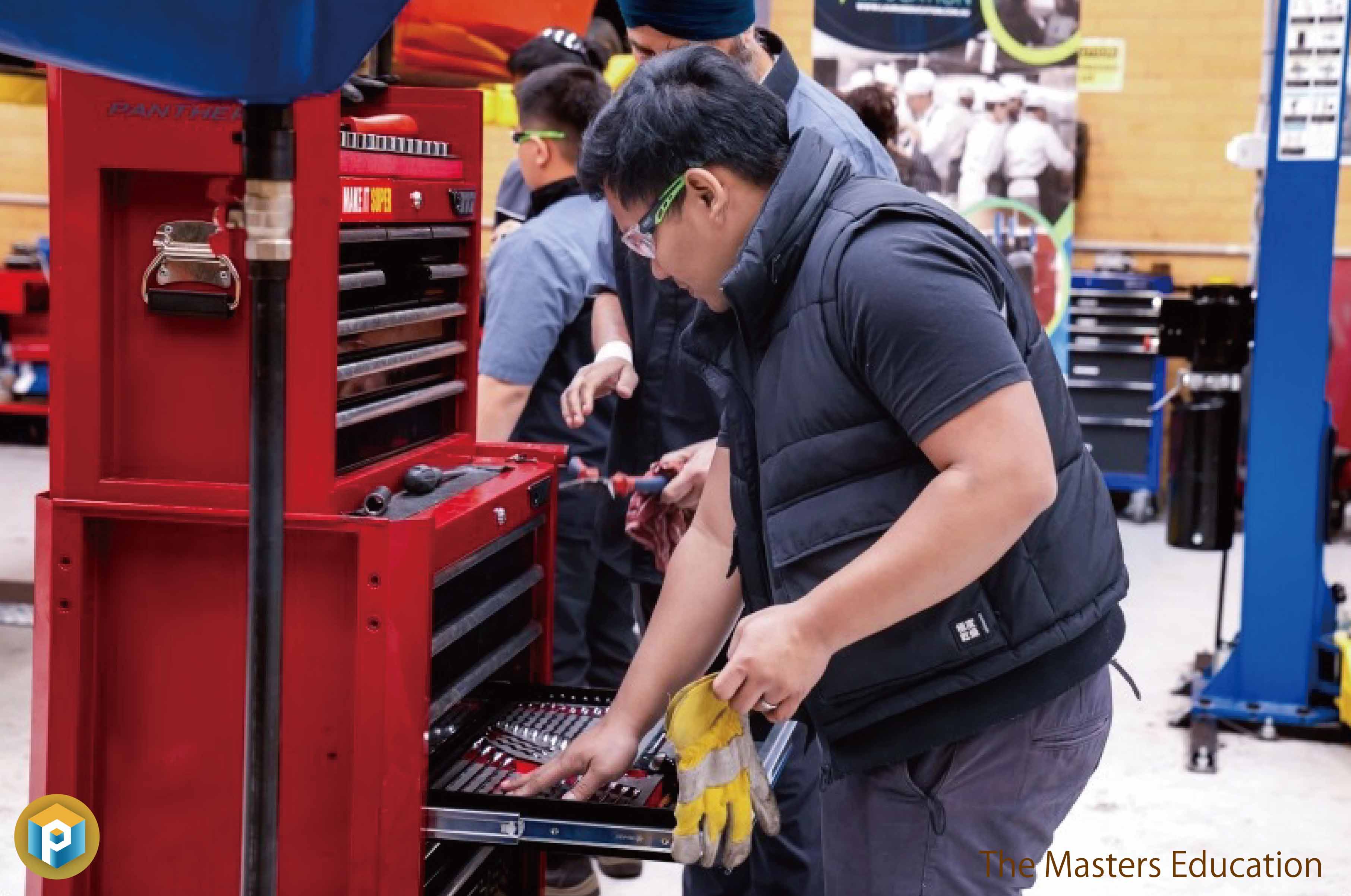
Teaching method: Classroom teaching
Course duration: 26 weeks (after completing the prerequisite Level 3 certificate course and receiving credit exemption)
☰ Fee Information
Tuition fee: AUD 8,600
☰ Admission requirements that students must meet
1. Age requirement
Students must be 18 years of age or older at the start of the course.
2. Academic requirements
Applicants must meet any of the following conditions:
● Successfully complete Australian Year 11 (or the international equivalent of Australian Year 11 high school course) and obtain a passing grade.
● Successfully completed the Australian foundation course.
● Obtain the International Baccalaureate (IB) certificate.
● Successfully completed Australian AQF Level 3 qualification or higher.
3. English requirements
Applicants must provide one of the following English test scores (which must have been completed within 2 years prior to the application date):
● IELTS overall score of 6.0 or equivalent
● IELTS overall score of 5.5 or equivalent, and completion of a 10-week ELICOS course.
● IELTS overall score of 5.0 or equivalent, and completion of a 20-week ELICOS course.
● Pass the school's English proficiency test.
English requirements may be waived in the following cases:
● At least 5 years of English education in Australia, Canada, New Zealand, the United Kingdom, the United States, South Africa, or Ireland.
● Holders of British, American, Canadian, New Zealand or Irish passports.
● An AQF Level 4 or higher qualification obtained in Australia within the past two years, representing at least 70% of the coursework completed.
● Successfully completed high school graduation certificate in Australia within the past 2 years
● Complete the CRICOS ELICOS course and reach an intermediate to advanced level of English.
4. Pre-enrollment training assessment
All trainees will undergo a pre-training review to determine their suitability for the course and their needs. The review aims to identify their training needs by inquiring about their prior education or training, the relevance of the course to the applicant, and relevant experience. The pre-training review will also aim to identify any support needs and potential RPL opportunities.
Through pre-training review, trainees will demonstrate that they possess the skills required to successfully complete the course.
Polytechnic will identify any such obstacles faced by trainees during the pre-training review and provide the necessary support and reasonable adjustments where possible.
5. Language, Literacy and Numeracy (LLN) Assessment
Students may need to complete an LLN assessment before the course begins—a diagnostic process used to determine whether potential students will need assistance with language, literacy, and numeracy during their studies.
6. Hardware/Software Requirements
Polytechnic will provide computers/laptops for students to use during class time. However, students must bring their own laptops or computers to complete quizzes, assignments, and self-study. The operating system must be Windows and Office applications (such as Microsoft Word) must be available.
Note: Some tests require the use of a computer and the internet; students must have basic computer skills.
7. Physical requirements
Applicants need to have the physical fitness to work in the automotive industry, including the ability to manually operate equipment (including lifting and carrying heavy objects) within safe working conditions.
☰ Course Name
1. Required courses
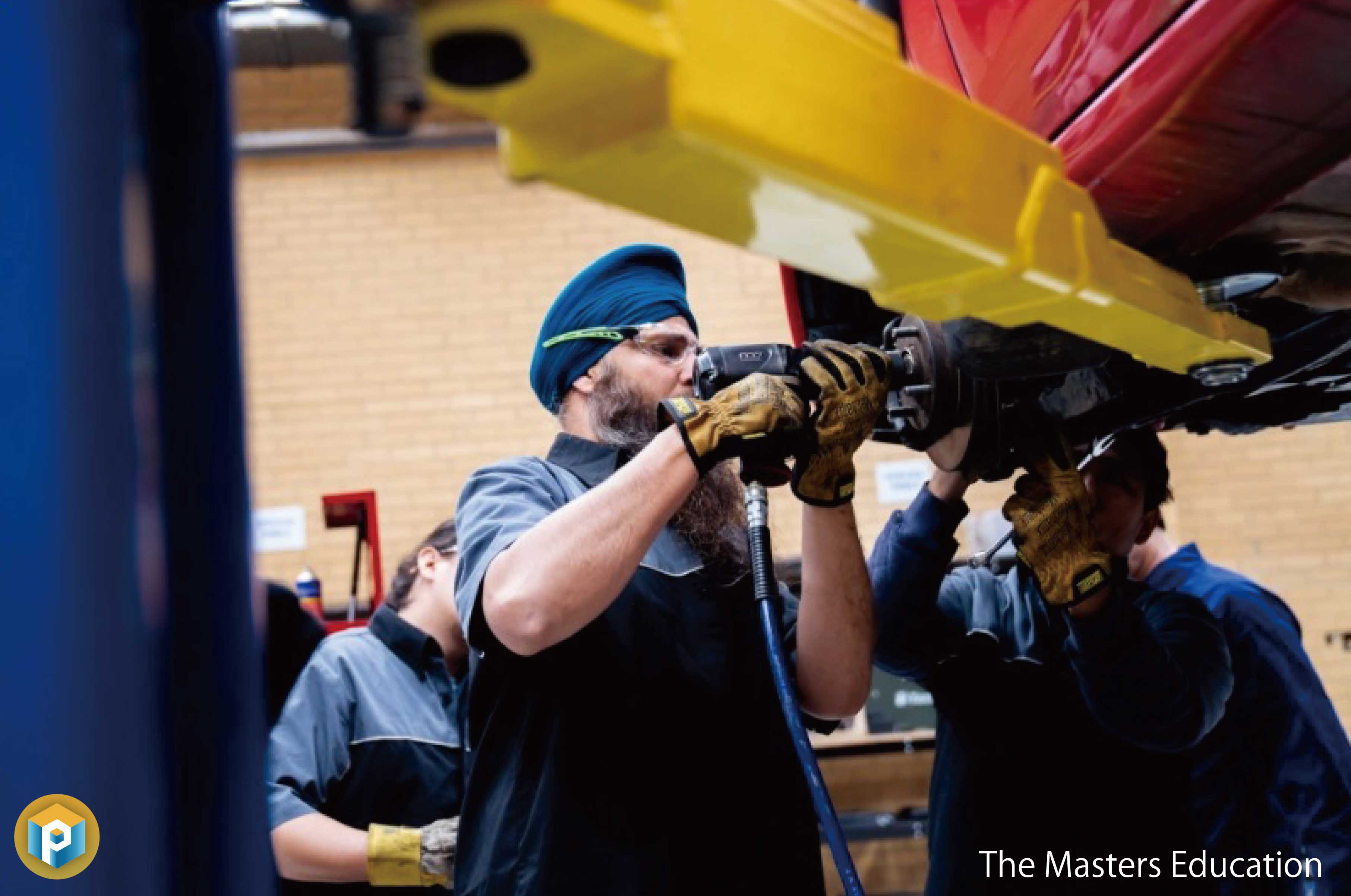
Diagnosing complex system faults
2. Elective courses
Diagnosing complex faults in engine management systems; diagnosing complex faults in gasoline engines of light vehicles; diagnosing complex faults in safety systems of light vehicles; diagnosing complex faults in braking systems of light vehicles; diagnosing complex faults in automatic transmissions and drivetrains of light vehicles; diagnosing complex faults in steering and suspension systems of light vehicles; diagnosing complex faults in vehicle integrated stability control systems; providing quotations and estimates for automotive mechanical and electrical repairs; adhering to best practices for environmental and sustainability practices in the automotive workplace.
☰ Career Development
輕型車輛機械技師
● During their studies, students can seek part-time work opportunities on their own. The hourly wage is approximately AUD 25-28. The maximum working hours are 48 hours per fortnight on weekdays, and there is no limit to the number of hours on weekends and school holidays (usually two weeks of holidays every 10 weeks). The annual salary for part-time work can reach AUD 33,000.
● After obtaining the certificate, you can get a 1.5-year post-graduation work visa, with an annual salary of approximately 70,000 to 80,000 Australian dollars for full-time employment.
☰ Course Overview
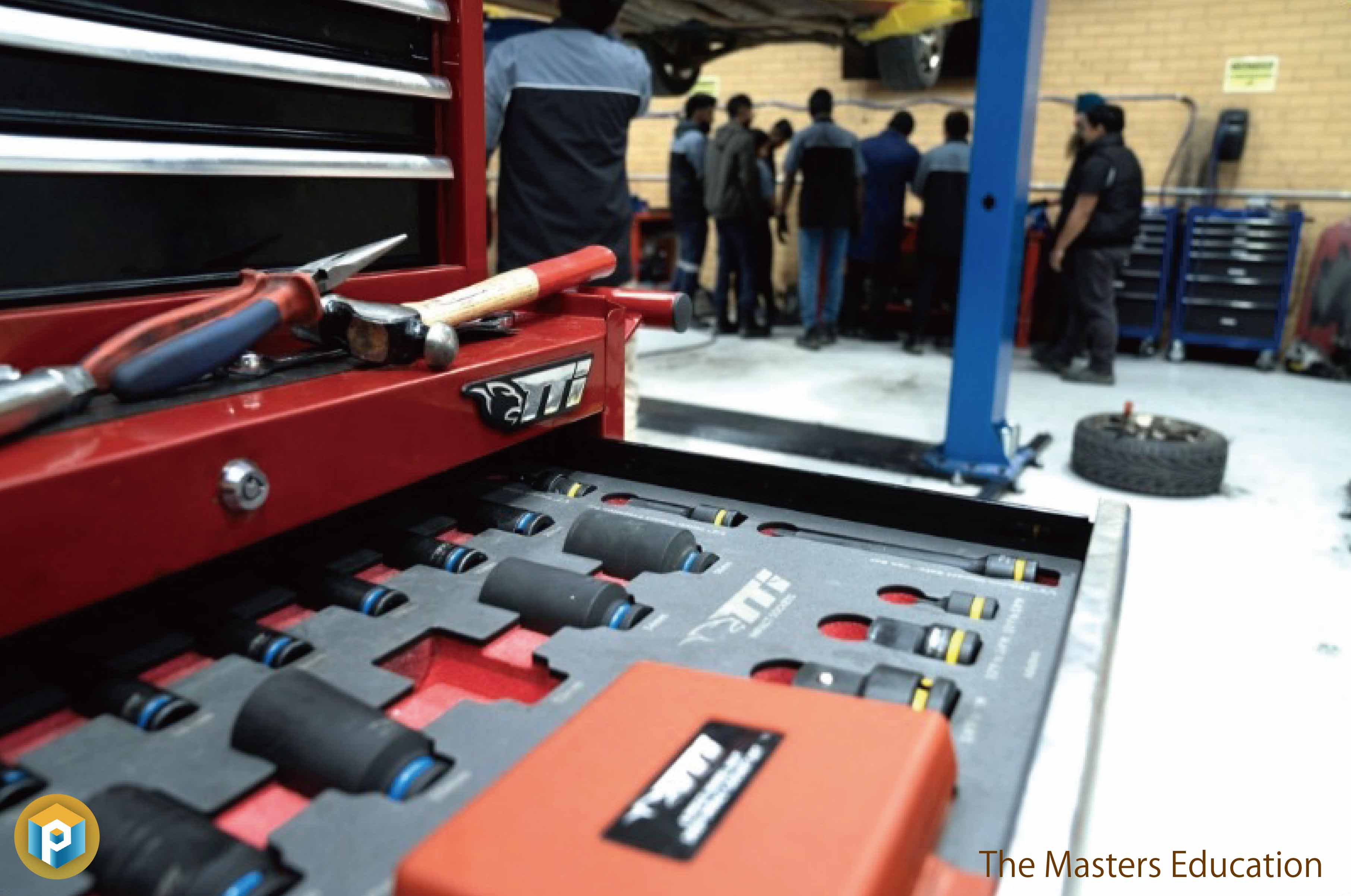
This certificate course trains students to perform advanced diagnostics in the automotive retail, service, and repair industries.
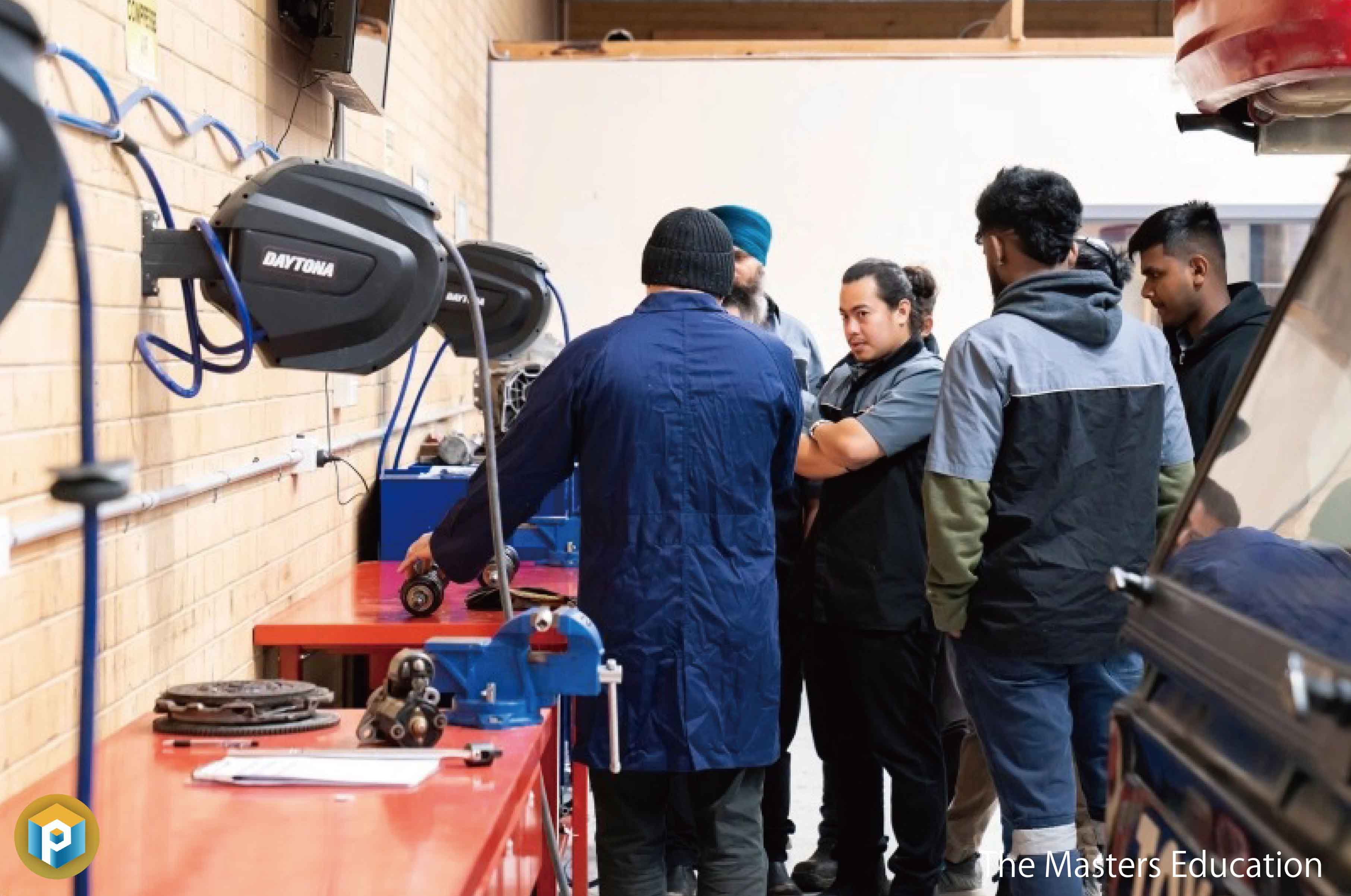
☰ Course Time
Teaching method: Classroom teaching
Course duration: 26 weeks (after completing the prerequisite Level 3 certificate course and receiving credit exemption)
☰ Fee Information
Tuition fee: AUD 8,600
☰ Admission requirements that students must meet
1. Age requirement
Students must be 18 years of age or older at the start of the course.
2. Academic requirements
Applicants must meet any of the following conditions:
● Successfully complete Australian Year 11 (or the international equivalent of Australian Year 11 high school course) and obtain a passing grade.
● Successfully completed the Australian foundation course.
● Obtain the International Baccalaureate (IB) certificate.
● Successfully completed Australian AQF Level 3 qualification or higher.
3. English requirements
Applicants must provide one of the following English test scores (which must have been completed within 2 years prior to the application date):
● IELTS (Academic or General Training) overall score of 6.0 or equivalent.
● IELTS overall score of 5.5 or equivalent, and completion of a 10-week ELICOS course.
● IELTS overall score of 5.0 or equivalent, and completion of a 20-week ELICOS course.
● Pass the school's English proficiency test.
English requirements may be waived in the following cases:
● At least 5 years of English education in Australia, Canada, New Zealand, the United Kingdom, the United States, South Africa, or Ireland.
● Holders of British, American, Canadian, New Zealand or Irish passports.
● An AQF Level 4 or higher qualification obtained in Australia within the past two years, representing at least 70% of the coursework completed.
● Successfully completed high school graduation certificate in Australia within the past 2 years.
● Complete the CRICOS ELICOS course and reach an intermediate to advanced level of English.
4. Pre-enrollment training assessment
All trainees will undergo a pre-training review to determine their suitability for the course and their needs. The review aims to identify their training needs by inquiring about their prior education or training, the relevance of the course to the applicant, and relevant experience. The pre-training review will also aim to identify any support needs and potential RPL opportunities.
Through pre-training review, trainees will demonstrate that they possess the skills required to successfully complete the course.
Polytechnic will identify any such obstacles faced by trainees during the pre-training review and provide the necessary support and reasonable adjustments where possible.
5. Language, Literacy and Numeracy (LLN) Assessment
Students may need to complete an LLN assessment before the course begins—a diagnostic process used to determine whether potential students will need assistance with language, literacy, and numeracy during their studies.
6. Hardware/Software Requirements
Polytechnic will provide computers/laptops for students to use during class time. However, students must bring their own laptops or computers to complete quizzes, assignments, and self-study. The operating system must be Windows and Office applications (such as Microsoft Word) must be available.
Note: Some tests require the use of a computer and the internet; students must have basic computer skills.
7. Physical requirements
Applicants need to have the physical fitness to work in the automotive industry, including the ability to manually operate equipment (including lifting and carrying heavy objects) within safe working conditions.
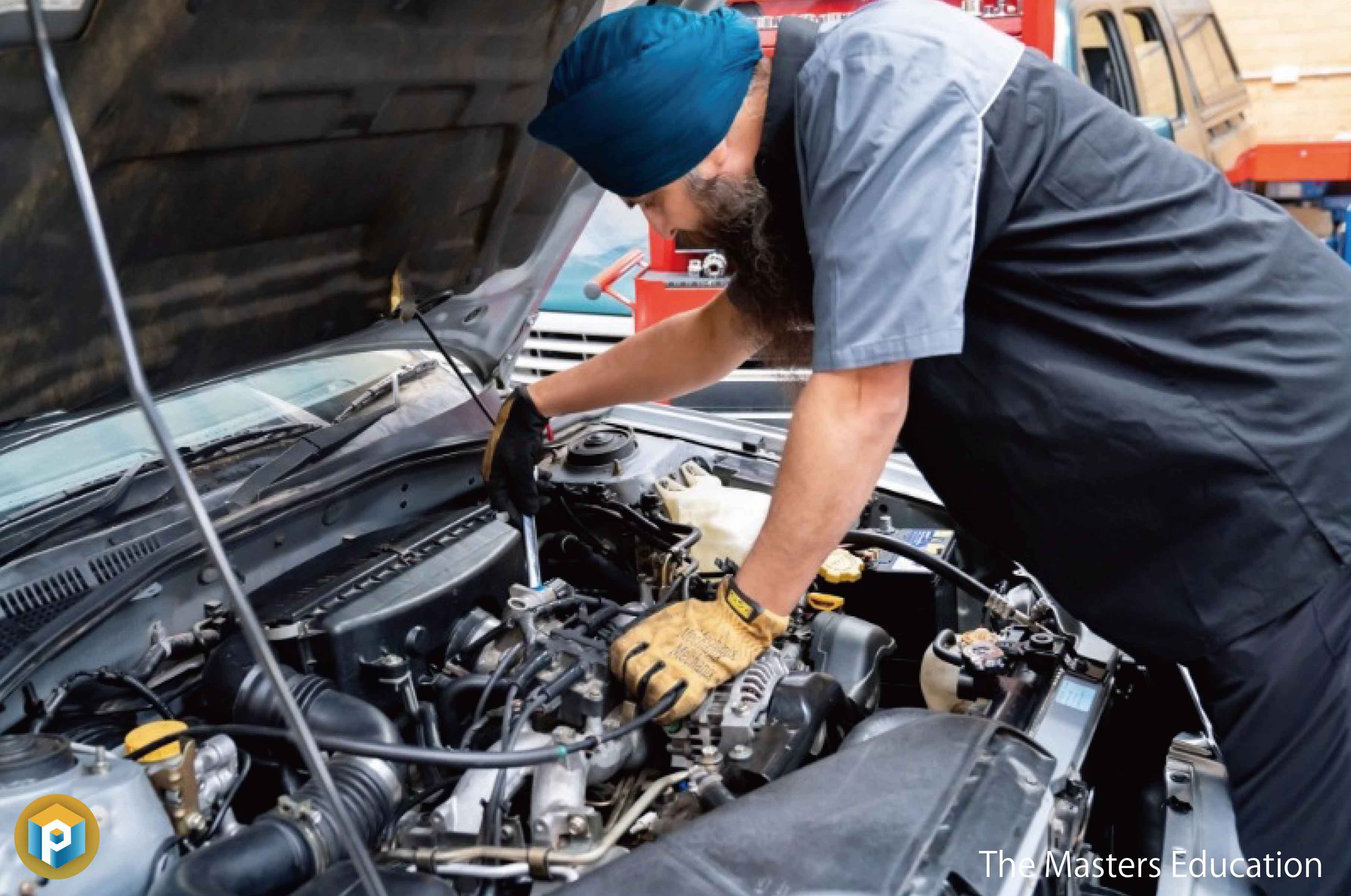
☰ Course Name
1. Required courses
Diagnosing complex system faults
2. Elective courses
Estimate and quote for automotive or mechanical modifications; develop and document specifications and procedures; diagnose complex faults in convenience entertainment systems; respond to customer needs and inquiries in automotive workplaces; diagnose complex faults in light vehicle safety systems; conduct research and submit technical reports; perform vehicle safety inspections; diagnose and repair light vehicle engines; develop and implement diagnostic testing strategies.
☰ Career Development
Automotive technical consultant
● During their studies, students can seek part-time work opportunities on their own. The hourly wage is approximately AUD 25-28. The maximum working hours are 48 hours per fortnight on weekdays, and there is no limit to the number of hours on weekends and school holidays (usually two weeks of holidays every 10 weeks). The annual salary for part-time work can reach AUD 33,000.
● After obtaining the certificate, you can get a 1.5-year post-graduation work visa, with an annual salary of approximately 70,000 to 80,000 Australian dollars for full-time employment.
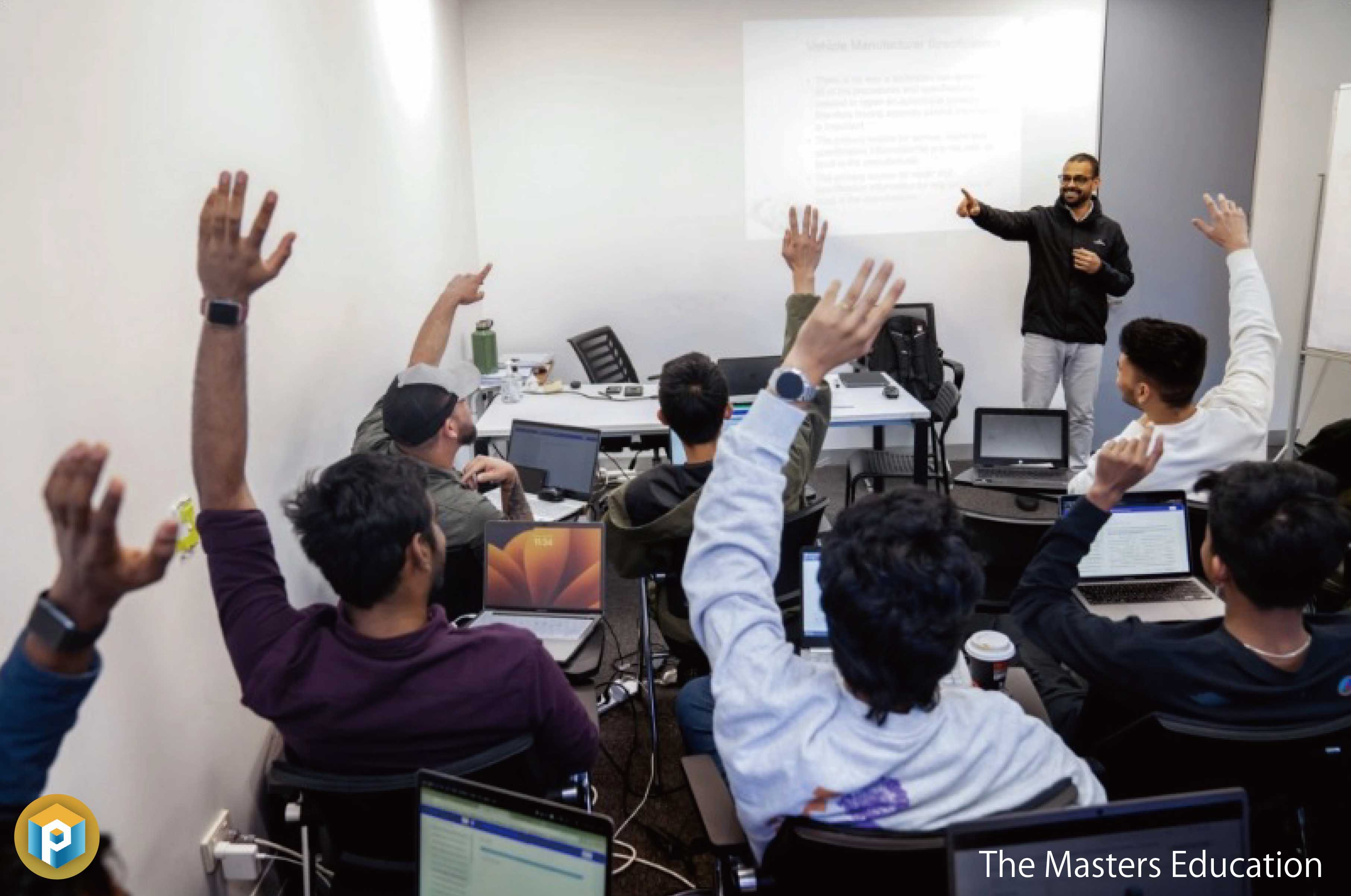
☰ Course Overview
This course enhances the leadership and management skills and knowledge of automotive industry professionals. It is suitable for those seeking senior management positions across various sectors of the automotive industry.
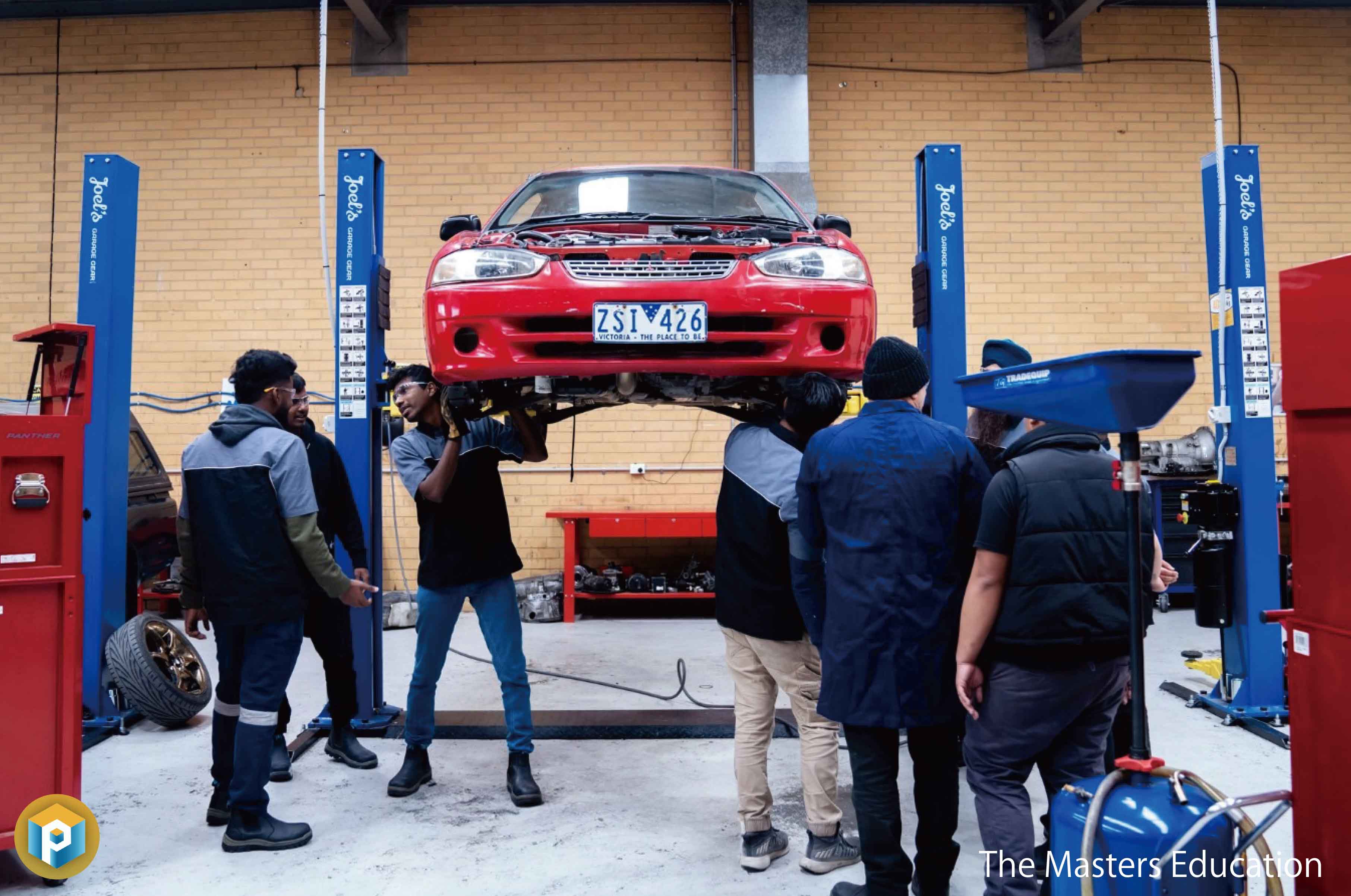
☰ Course Time
Teaching method: Classroom teaching
Course duration: 52 weeks (including holidays)
☰ Fee Information
Tuition fee: AUD 10,600
☰ Admission requirements that students must meet
1. Age requirement
Students must be 18 years of age or older at the start of the course.
2. Academic requirements
Applicants must meet one of the following conditions:
● Successfully complete Australian Year 12 (or the international equivalent of Australian Year 12 high school course) and obtain a passing grade.
● Successfully completed the Australian foundation course.
● Obtain the International Baccalaureate (IB) certificate.
● Successfully completed Australian AQF Level 3 qualification or higher.
3. English requirements
Applicants must provide one of the following English test scores (which must have been completed within 2 years prior to the application date):
● IELTS (Academic or General Training) overall score of 6.0 or equivalent.
● IELTS overall score of 5.5 or equivalent, and completion of a 10-week ELICOS course.
● IELTS overall score of 5.0 or equivalent, and completion of a 20-week ELICOS course.
● Pass the school's English proficiency test.
English requirements may be waived in the following cases:
● At least 5 years of English education in Australia, Canada, New Zealand, the United Kingdom, the United States, South Africa, or Ireland.
● Holders of British, American, Canadian, New Zealand or Irish passports.
● An AQF Level 4 or higher qualification obtained in Australia within the past two years, representing at least 70% of the coursework completed.
● Successfully completed high school graduation certificate in Australia within the past 2 years.
● Complete the CRICOS ELICOS course and reach an intermediate to advanced level of English.
4. Pre-entry training assessment
All trainees will undergo a pre-training review to determine their suitability for the course and their needs. The review aims to identify their training needs by inquiring about their prior education or training, the relevance of the course to the applicant, and relevant experience. The pre-training review will also aim to identify any support needs and potential RPL opportunities.
Through pre-training review, trainees will demonstrate that they possess the skills required to successfully complete the course.
Polytechnic will identify any such obstacles faced by trainees during the pre-training review and provide the necessary support and reasonable adjustments where possible.
5. Language, Literacy and Numeracy (LLN) Assessment
Students may need to complete an LLN assessment before the course begins—a diagnostic process used to determine whether potential students will need assistance with language, literacy, and numeracy during their studies.
6. Hardware/Software Requirements
Polytechnic will provide computers/laptops for students to use during class time. However, students must bring their own laptops or computers to complete quizzes, assignments, and self-study. The operating system must be Windows and Office applications (such as Microsoft Word) must be available.
Note: Some tests require the use of a computer and the internet; students must have basic computer skills.
7. Physical requirements
Applicants need to have the physical fitness to work in the automotive industry, including the ability to manually operate equipment (including lifting and carrying heavy objects) within safe working conditions.
☰ Course Name
1. Required courses
Diagnosing complex system faults
2. Elective courses
Best practices for managing the environment and sustainability of the automotive workplace; managing complex customer issues in the automotive workplace; contributing to the planning and implementation of business improvements in the automotive industry; managing budgets and financial planning; managerial performance; ensuring workplace safety.
☰ Career Development
Automotive systems designer, senior diagnostic technician
● During their studies, students can seek part-time work opportunities on their own. The hourly wage is approximately AUD 25-28. The maximum working hours are 48 hours per fortnight on weekdays, and there is no limit to the number of hours on weekends and school holidays (usually two weeks of holidays every 10 weeks). The annual salary for part-time work can reach AUD 33,000.
● After obtaining the diploma, you can get a 1.5-year post-graduation work visa, with an annual salary of approximately 70,000 to 80,000 Australian dollars for full-time employment.